
Loading Dock Pressure Washing Health and Safety Policy
This document sets out a practical, safety-focused policy for loading dock pressure washing and related wash operations within a gardening company service area. The aim is to protect staff, visitors and the environment while ensuring that routine dock maintenance, including dock surface pressure cleaning and warehouse dock wash activities, is carried out efficiently. It covers risk assessment, personal protective equipment, safe operating procedures, environmental controls and training expectations.All personnel involved in dock cleaning must read and understand this policy. The scope includes periodic high-pressure washing, low-pressure detergent application, and any rinsing or surface treatments used to remove soil, grease, plant debris, or chemical residues common to gardening service areas. Supervisors shall ensure that every task is planned and that a documented method statement is available before work begins. The policy emphasises safe use of equipment, prevention of slips and falls, and containment of wastewater.
![A close-up view of a garden with colorful flower beds containing pink, yellow, purple, and white blooms, along with lush green foliage and grass. In the background, a person wearing gardening gloves is watering the plants with a metal watering can, which is tilted to pour water over the vibrant flowers. The garden features a mix of flowerbeds and lawn areas, with a well-maintained and landscaped outdoor space typical of residential gardens in the UK. The scene is lit by natural daylight, suggesting a bright and clear day, and the setting may be part of a backyard or front garden in [TOWN], near the postcode area. The landscaping highlights a well-kept garden bed with flowering plants and healthy green grass, suitable for gardening services that include plant care, lawn maintenance, and outdoor beautification, such as those offered by Loading dock pressure washing.](/pub/_photos/gardening/f1406124032.jpg)
Risk Assessment and Planning
Before any loading dock power washing task starts, conduct a written risk assessment considering surface condition, proximity to pedestrian routes, drainage, weather, and presence of sensitive plant material typical of a gardening company's service area. Identify hazards such as high-pressure water, electrical sources, chemical cleaners, heavy vehicle movements and slippery surfaces. Implement control measures and record residual risks. Regularly review assessments when conditions change.Safe Work Procedures
Operatives must isolate the work area using barriers and signage to prevent unauthorised access. Use reduced-pressure settings where practical and select nozzles that minimize splash-back while maintaining cleaning efficiency. Never direct the jet at people, electrical fixtures, or vulnerable plant species. For deep cleaning, follow manufacturer guidance for detergents and rinsing to avoid harm to ornamental plants and landscaping elements.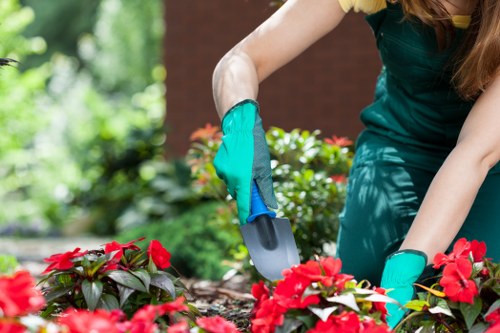 Personal protective equipment (PPE) is mandatory: waterproof boots with slip-resistant soles, chemical-resistant gloves, eye protection, hearing protection where noise thresholds are exceeded, and appropriate waterproof clothing. Respiratory protection should be available when using volatile or mist-forming cleaning agents. Supervisors must check and record PPE condition before use and replace defective items immediately.
Use the following checklist to prepare for work:
- Confirm machine condition and secure fuel or power sources;
- Ensure drainage pathways are identified and protected;
- Establish exclusion zones and safe walkways;
- Have spill kits and absorbent materials available;
- Verify first-aid provisions and emergency contact protocols.
Cleaning agents should be chosen for effectiveness and environmental compatibility. Biodegradable, low-toxicity detergents are preferred to minimise impact on soil and plants. Avoid bleach-based or highly alkaline cleaners near sensitive planting. Where possible, use mechanical methods or low-pressure rinsing to reduce chemical use. Record all substances used, including concentrations and safety data sheet references, and store containers securely when not in use.
 Wastewater management is critical. Contain and divert runoff away from planting beds and storm drains. If temporary containment or recovery systems are required, deploy them before washing starts. Dispose of collected wastewater in accordance with site-specific environmental procedures. Prevent sediment, oil, and chemical residues from entering local watercourses or irrigation systems by using filtration, silt traps or dedicated disposal methods.
![A lush garden scene featuring a variety of plants, including bright yellow and orange flowers in the foreground and taller green foliage behind. Central to the image is a weathered metal watering can with a curved handle, placed among potted herbs or shrubs with small pink and green leaves. To the right, a beige straw gardening hat rests on the edge of a wooden garden feature or possibly a bench. The background includes a rustic stone wall with visible mortar, adding a textured, natural backdrop. The garden appears well-maintained, with vibrant colors and a mix of flowering and leafy plants, suggesting outdoor gardening activity typical of a residential garden in the UK, possibly near [POSTCODE] or [TOWN], with lush growth indicating recent or ongoing gardening efforts by professional services such as Loading dock pressure washing, within the domain of gardening and landscaping services.](/pub/_photos/gardening/f1409171456.jpg) Emergency procedures must be clear and rehearsed. In the event of a chemical spill, person contamination, or a near-miss, stop work and follow emergency response steps. Provide immediate first aid for injuries such as lacerations, high-pressure injection wounds, and chemical splashes; seek medical attention for anything beyond basic first aid. Document incidents and near-misses and carry out a follow-up investigation to prevent recurrence.
Emergency procedures must be clear and rehearsed. In the event of a chemical spill, person contamination, or a near-miss, stop work and follow emergency response steps. Provide immediate first aid for injuries such as lacerations, high-pressure injection wounds, and chemical splashes; seek medical attention for anything beyond basic first aid. Document incidents and near-misses and carry out a follow-up investigation to prevent recurrence.
Training and competence are essential. All operators must receive training in the operation of pressure washing equipment, safe handling of cleaning agents, use of PPE and the environmental management measures specific to a gardening company service area. Maintain training records and provide refresher courses annually or whenever new equipment or chemicals are introduced.
Maintenance and inspections reduce risk. Schedule routine checks of hoses, nozzles, pumps, and safety devices, and replace worn parts promptly. Electrical systems should be inspected by a competent person with equipment isolated before any work. Keep a log of servicing and defects, and remove faulty equipment from service until repaired.
Monitoring and continuous improvement ensure the policy remains effective. Conduct periodic audits of washing operations and adjust procedures based on findings, technological improvements, or changes in environmental standards. Involve the workforce in hazard reporting and encourage suggestions for safer, more efficient ways to carry out dock cleaning and pressure washing tasks.
This policy applies across the gardening company service area and should be integrated with wider site safety and environmental policies. Management must ensure resources are available to implement the measures set out here. Regular communication of expectations and responsibilities reinforces a culture where safety, environmental protection and operational effectiveness are aligned during all loading dock cleaning activities.
By following these provisions for loading dock pressure washing — including thorough planning, correct PPE, careful chemical selection, wastewater containment, and ongoing training — teams can keep docks clean and safe while protecting people and the landscaping that defines a gardening company's service area.